How will the pollen season be this year?
The Allergology Service of Clínica Sant Josep explains how this spring is expected for people allergic to pollen
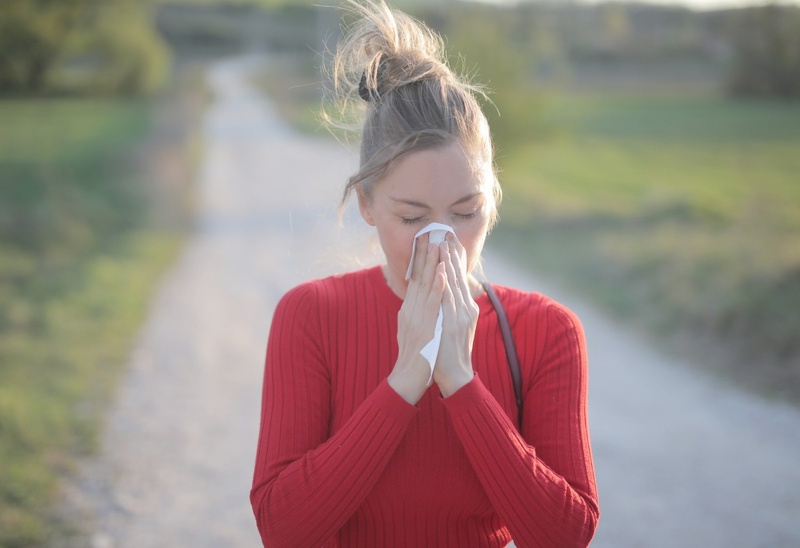
After an unusually dry and hot winter, and a spring marked by persistent rains, this year people allergic to pollen in Central Catalonia are faced with an apparently mild pollen season. This is according to the forecasts of the Spanish Society of Allergology and Clinical Immunology (SEAIC), which publishes this forecast for people sensitized to the pollens prevalent in the area, such as those from grasses, grasses or olive trees.
But how will it affect people allergic to pollen? From the Allergology Service of the Sant Josep Clinic, which reviews the recommendations and forecasts, they see that the combination of a warm winter and a rainy spring can extend the presence of pollen in the environment. As the allergist Alejandra González Rausell comments, "this year it is expected that the pollen will remain longer, which may cause allergy symptoms to be more persistent". Although the levels are not extremely high, the “duration of exposure will be higher, and may aggravate symptoms in patients with rhinitis, allergic asthma or conjunctivitis.”
In addition, we must not lose sight of the effects of climate change and pollution, which are radically transforming the allergological scenario. Pollen is also dispersed more intensively due to extreme weather events such as heat waves, strong winds or electrical storms, which can break pollen grains into microscopic particles that can easily infiltrate the respiratory tract and cause severe asthma attacks. "Pollen seasons are not only longer, but the levels are higher, which aggravates the symptoms of allergic patients", remarks Dra. Gonzalez And it is that the impact of air pollution with aeroallergens can "alter the protective barrier of the nasal mucosa, skin and ocular conjunctiva", according to WHO reports, facilitating the entry of pollen and aggravating respiratory symptoms.
Faced with this increasingly complex context, the role of the allergist is essential. As stated by Dra. Alejandra González, "the allergic patient has increased in complexity in recent decades and we have more and more multi-allergic people". Precision medicine and specific immunotherapy have revolutionized treatment, and this allows vaccines to be customized according to the patient's molecular profile.
Despite the fact that the forecasts are reassuring in quantitative terms, the persistence of pollen and environmental factors force us to maintain vigilance and to intensify the follow-up of patients. As they say from the service, "it's a good time to review treatments, strengthen preventive measures and consult if new symptoms appear or existing ones worsen".
You can request an appointment for the Allergology Service of Clínica Sant Josep through the www.espaipacient.clinicasantjosep.cat platform, the Espai Pacient app, or by phone on 93 874 42 98.
Practical tips to deal with pollen allergy
In the words of the allergist at the Clinic, people who suffer from this condition can alleviate the symptoms by applying very simple measures. For example, use sunglasses, if you have eye symptoms, wear a mask if you are in an area with a high concentration of pollen or roll up the car windows and use the air conditioning when traveling.
On a preventive level, you can also check the pollen level forecasts for the coming weeks. In this sense, there are different websites or applications where you can consult this information and, in this way, adapt your daily activity as much as possible.
Following these indications can substantially alleviate the symptoms and, if they are not sufficient, the allergist will prescribe a treatment with medication or immunotherapy or, even, may prescribe medication prior to the onset of symptoms.


