
How can we avoid external otitis or swimmer's otitis
Dr. Guillem Viscasillas, ENT specialist at Clínica Sant Josep, shares tips to prevent this infection, which mainly affects children in summer.
We are already at the end of summer. Despite this, the beaches and pools are still full of bathers looking to cool off and beat the heat better. But exposure to water can trigger one of the most frequent infections that occur during this time of year: otitis externa. Also popularly known as "swimmer's otitis", otitis externa is an infection that affects the external auditory canal and usually has a bacterial origin.
As indicated by Dr. Guillem Viscasillas, otorhinolaryngologist at Clínica Sant Josep, this type of otitis "is favored by excessive humidity and can affect people of all ages, but it especially affects children".
What exactly is otitis and why does it occur?
Otitis is an infection or inflammation of one of the main parts of the ear. The most common symptoms are itching or stinging in the ear canal, earache (especially when tugging on it, pressing on it, chewing or moving the head), a feeling of having the ear blocked or secretion of a whitish or yellowish liquid with an unpleasant smell.
Dr. Viscasillas explains that, depending on the part of the ear affected, we can differentiate between two main types of otitis: external and middle. In the first case, the infection occurs in the ear canal and is usually caused by bacteria or fungi. It tends to affect the ears of people who spend a lot of time in contact with water. "Excess moisture in the ear canal can lead to irritation of the external ear canal, causing the germs to end up causing an inflammation", adds Dr. Viscasillas.
If the part of the ear affected is the mucosa of the middle ear, we will be faced with otitis media, an infection that is more common during the winter, when there are more flus and colds.
The diagnosis
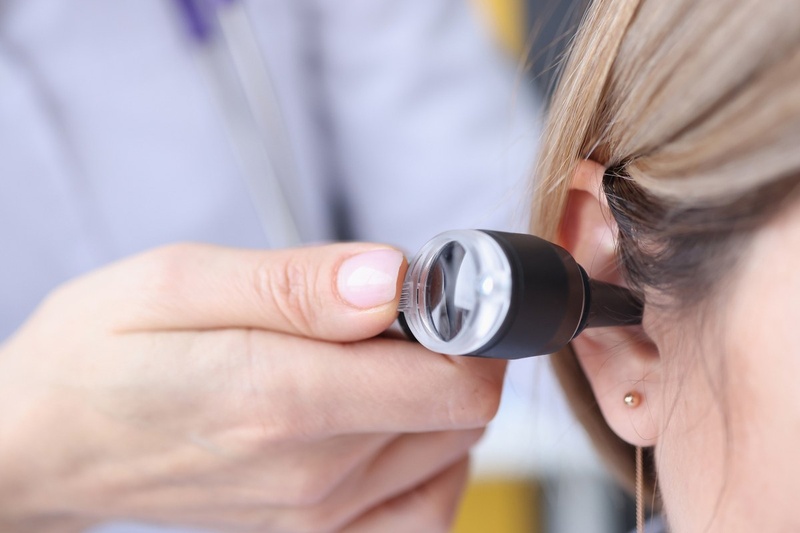
When otitis is suspected, what otolaryngologists generally do is "an otoscopic examination, which consists of examining the inner ear and the tympanic membrane from the opening of the external auditory canal", says the otolaryngologist at Clínica Sant Josep. This test, which is carried out using an otoscope, makes it possible to detect signs of otitis, inflammation or injuries, for example.
According to Dr. Viscasillas, if it is otitis externa, "the duct will be inflamed and the ear may ooze. Another warning sign will be an increase in pain when pressing on the ear canal or when moving the auricle".
How can otitis be treated?
The treatment will vary depending on the symptoms and the type of otitis. "If we are dealing with a case of otitis externa, the treatment that will be applied at the outset will be otic drops containing antibiotics", explains Dr. Viscasillas The drops will be applied between a week and approximately ten days directly to the affected ear. If the symptoms do not disappear, it is recommended to go to the Otorhinolaryngology consultation to have the ear canal cleaned.
For those people in whom the drops or cleaning do not work - either because the infection is very strong or because they have not yet evolved well - they will have to take oral antibiotics to complement the rest of the treatments.
Practical tips to prevent otitis
The best way to prevent otitis is to control the factors that favor its appearance. "Drying your ears well with a soft towel, using protective caps to prevent water from entering the ear canal, avoiding bathing in areas potentially contaminated by the presence of bacteria or cleaning yourself are some measures that can help prevent or minimize the symptoms of otitis", explains Dr. Viscasillas.
The otorhinolaryngologist adds that people who usually have problems with wax in their ears or who usually require the extraction of earwax plugs, it is important that they go to the Otorhinolaryngology consultation for a cleaning, especially during this time of the year and thus prevent possible complications.
In case of otitis or other ear pathologies, you can contact the Otorhinolaryngology Service of Clínica Sant Josep by calling 93 874 42 98 or from the Espai Pacient app.


